
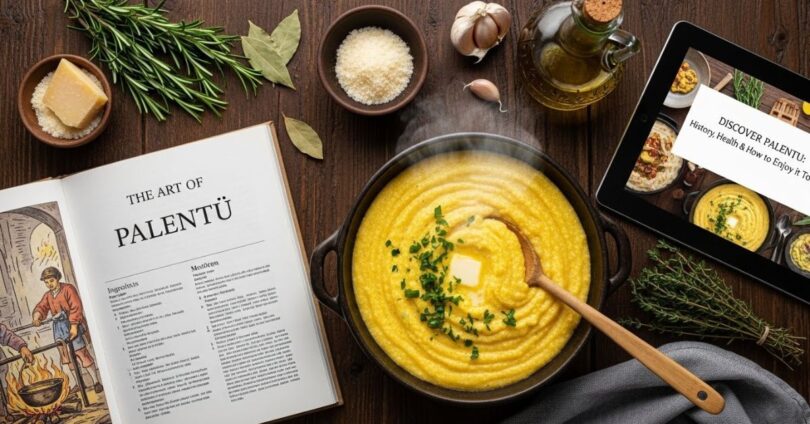

Greetings from the delectable planet of Palentu! This delicious cornmeal dish has won over people’s hearts and palates in many countries. Palentu has something unique for everyone, whether you’re a foodie or simply interested in trying new cuisines. It has deep historical value and is an intriguing component in many recipes due to its adaptability.
As we go into this comprehensive guide, get ready to discover why it should be a part of your kitchen as well as how to enjoy it. There is so much more to this simple yet delicious staple than meets the eye, from its intriguing history to its health advantages and delectable recipes. Together, let’s go on this delicious adventure!
What is Palentu?
A traditional dish consisting mostly of cornmeal, It is popular in many cultures. Depending on how it is prepared and regional differences, its texture can vary from creamy to stiff.
Palentu, which is usually prepared with water or broth, provides a substantial foundation for a variety of dishes. Similar to polenta, it has a distinct flair that is influenced by regional ingredients and cooking techniques.
It works well with both savory and sweet toppings, whether it is served hot or allowed to cool before being sliced into sections. The options are numerous, ranging from fresh vegetables to rich sauces.
This versatile dish, which is valued for its simplicity and nutritious content in addition to its flavor, has earned a spot on tables all around the world. Palentu really stands out in the culinary scene, whether you’re savoring it as comfort food or experimenting with gourmet tweaks.
History and Cultural Significance
It has deep roots in the culinary traditions of various cultures, particularly in Mediterranean and African regions. This versatile dish is primarily made from cornmeal or flour, forming a staple food that nourished families for centuries.
Historically, It served as a fundamental part of rural diets. It provided essential carbohydrates needed for energy and was often paired with local ingredients like vegetables or meats. Each culture adapted it to suit regional tastes.
In Italy, variations like polenta hold significant cultural value during festivals and family gatherings. In parts of Africa, It symbolizes hospitality, often shared among communities during important celebrations.
Its evolution reflects agricultural practices and socio-economic changes over time. Today, It continues to be celebrated not just as nourishment but also as a symbol of heritage and unity across diverse populations.
Health Benefits of Palentu
Palentu is not just a delicious dish; it also offers numerous health benefits. Made from cornmeal, this staple food is rich in carbohydrates, providing a solid energy source for your daily activities.
Packed with fiber, It aids digestion and helps maintain gut health. This can contribute to overall wellness by reducing the risk of digestive issues like constipation.
Moreover, It is naturally gluten-free, making it an excellent option for those with gluten sensitivities or celiac disease. It allows them to enjoy a satisfying meal without any adverse effects.
Vitamins and minerals are abundant in palentu as well. It’s particularly high in B vitamins which support metabolism and brain function. Additionally, incorporating palentu into your meals can help regulate blood sugar levels due to its low glycemic index.
Adding It to your diet may provide essential nutrients while keeping you energized throughout the day.
How to Incorporate Palentu into Your Diet
Incorporating it into your diet is both simple and delicious. Start by substituting it for traditional grains like rice or pasta in your meals. Its creamy texture makes it an ideal base for stews, roasted vegetables, or grilled meats.
For breakfast, consider making a savory Palentu bowl topped with eggs and avocado. This will add protein and healthy fats to kickstart your day.
You can also explore its versatility by creating sweet variations. Mix cooked Palentu with honey, cinnamon, and fruits for a delightful dessert option.
Snacks? Try frying or baking leftover Palentu until crispy. Serve it with dips like hummus or salsa for a satisfying crunch.
It can seamlessly fit into salads too; just let it cool after cooking and toss it with greens, nuts, and vinaigrette for added texture and flavor. The possibilities are endless!
Top 5 Best Palentu Recipes
Do you want to improve your Palentu skills? These five exceptional recipes will entice your palate.
Try a creamy Palentu with cheese and herbs first. Simply combine cooked Palentu with fresh basil, mozzarella, and olive oil. It’s flavorful and cozy.
Next, think about grilled Palentu slices with garlic and sautéed mushrooms on top. Crispy on the outside and soft on the inside, this dish is flavorful and has the ideal texture contrast.
Choose a layered Palentu bake for something substantial. For a substantial dinner, alternate layers of cooked Palentu with marinara sauce and ground meat or vegetables.
If you’re in the mood for breakfast, how about sweetened Palentu pancakes? Add maple syrup or honey along with fruits like berries or bananas for a delightful start to your day.
Don’t miss out on spiced Palentu fritters. Combine cooked Palentu with chili flakes and chopped scallions before frying them until golden brown. Each bite packs a punch!
Variations of Palentu in Different Cultures
Palentu, a versatile dish, finds its way into various culinary traditions around the world. In Italy, for example, it transforms into “polenta,” often served creamy or grilled with rich sauces.
Meanwhile, in parts of Africa, similar cornmeal dishes are staples. Here it’s called “sadza” in Zimbabwe and is usually paired with savory stews or vegetables. Each region infuses unique local flavors that celebrate their culture.
In Brazil, you might encounter “fubá,” a cornbread variation that’s crispy on the outside yet soft inside. It makes for an excellent side dish at barbecues or gatherings.
Even within Eastern European countries like Romania and Hungary, It takes center stage as “mămăligă.” This comforting staple is often topped with cheese or sour cream and enjoyed along with hearty meats.
These delightful variations highlight how different cultures embrace palentu while adding their own twist to this beloved ingredient.
Conclusion
Palentu is more than just a food; it represents culture, history, and health advantages that many people find appealing. Because of its adaptability, it can be easily included into a variety of diets and cooking customs. It offers everything from sweet sweets to savory cuisine.
It might be enjoyable to experiment with different recipes. The top five dishes presented here highlight flavors from throughout the world and demonstrate how versatile it is in the kitchen. Furthermore, our appreciation of this essential cuisine is enhanced by knowing its cultural differences.
Adding It to your diet is a great option, whether you want to increase your nutritional intake or just enjoy tasty meals. You’ll learn how filling and nourishing this item can be when you try new dishes or go back to old favorites.
Embrace the spirit of Palentu by trying out these ideas today!
You May Like : Techmapz Com: Best Guide to Tech Trends & Tips
